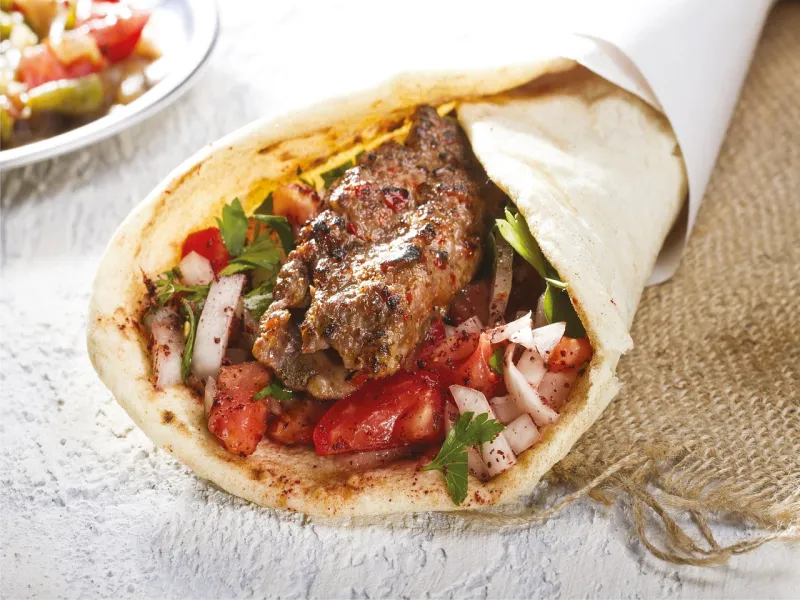
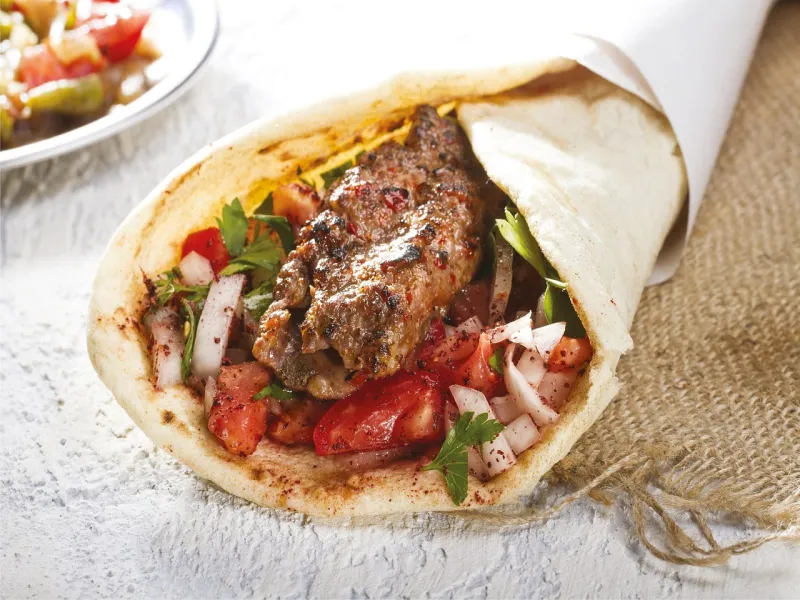
Boxes in the Hall, Dinner on the Way: Breaking In a New Postcode With a Kebab
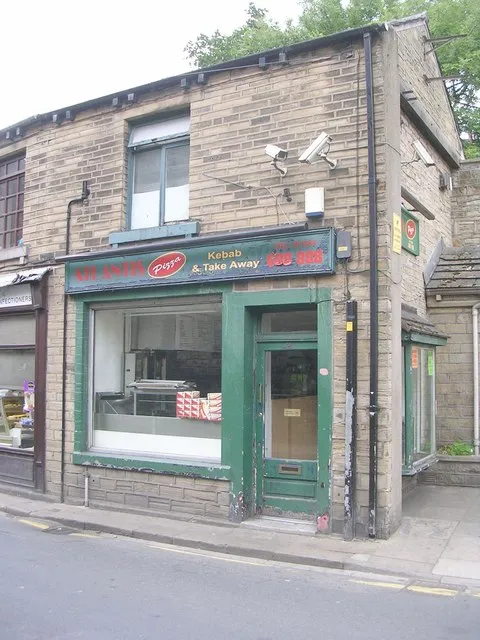
Photo: Betty Longbottom , CC BY-SA 2.0, via Wikimedia Commons
Moving house is a lot of things: a triumph of logistics, a test of patience, and a masterclass in discovering how many cables one household can own. By the time the removal van has reversed off the street and the last box has been wedged into the hallway, nobody is thinking about interior design. They are thinking about dinner. And in 2026, with half the kitchen in bin bags and the kettle still in a box marked ‘misc’, the local kebab shop becomes something close to a public service.
The First Night Has Its Own Rules
There is a particular kind of hunger that arrives after eight hours of lifting, pointing at furniture and saying ‘we’ll sort that tomorrow’. It is not the hunger of a leisurely weekend. It is the hunger of someone standing in an empty living room, surrounded by flat-pack, wondering whether the previous owners took the light bulbs on purpose.
On a night like that, cooking is a fantasy. Even if you find the pan, you still need oil, salt, and the emotional bandwidth to wash up afterwards. This is where the first-night kebab earns its place in the story of a new home. It is hot, it is local, and it asks nothing of you except a phone call and a front door that opens.
A Takeaway That Says Welcome Home
The first kebab after moving in is not really about the doner or the shish. It is about familiarity arriving before the furniture does. The person behind the counter does not know you yet, but they know the street, the bus route, the nearest cashpoint and which side of the road gets the late-night traffic. That knowledge is quietly useful when you have just arrived and cannot find the bin bags.
There is also something grounding about eating from foil trays on a bare floor. The house may still smell of cardboard and cleaning spray, but for twenty minutes it smells of grilled meat, warm bread and chips. It is a small signal that life is continuing, even if the plates are currently being used as a makeshift table.
Read the Counter, Not Just the Menu
If you are new to the area, the counter is your best source of information. Ask what is popular. Ask what the regulars order. Ask whether the chilli sauce is made in-house or brought in by the bucket. These are not nosy questions in a kebab shop; they are the beginning of a relationship.
A good rule for the first visit is to keep it simple. Order one thing you know you like, and one thing that sounds like a local favourite. A mixed kebab with chips and garlic sauce is a sensible start. So is a chicken shish wrap if you want something neater to eat while sitting on a windowsill. The point is not to explore the entire menu on night one. The point is to get a hot dinner and a sense of the place.
Keep the First Order Friendly and Familiar
There is a temptation to celebrate a new postcode with a giant spread. Resist it slightly. The first night is not the time for a ten-item order that arrives in a carrier bag the size of a duvet. You have enough chaos in the hall. A simple kebab, a portion of chips and a drink is enough to keep the household running until morning.
It also gives you a benchmark. You will remember the first order. You will remember whether the bread was soft, whether the chips travelled well, and whether the person on the phone sounded like they had heard every moving-day story before. That memory becomes the first line of your local food map.
The Regular’s Route Begins Here
Becoming a regular is not complicated. It starts with small things: saying thank you, collecting your own order, noticing when the shop is busy and when it is quiet. It continues with repetition. The second visit is easier. The third is where they might remember your sauce. By the fourth, you are no longer the person who moved into number 42. You are the person who likes extra pickles.
That is the quiet magic of a local kebab shop. It does not demand a housewarming. It does not care whether your curtains are up. It just feeds you, night after night, until the new postcode starts to sound like yours.
A Postcode With Chips
By the time the foil trays are empty and the boxes are pushed to one side, the house feels different. Not finished, not unpacked, but occupied. The first proper dinner has happened. The kettle can wait until tomorrow. The kebab has done its job.
And somewhere in the stack of takeaway menus that will soon clutter a kitchen drawer, one name will already be familiar. That is how a new area becomes a local area. Not through paperwork or postcodes, but through a hot dinner on a difficult night, eaten on the floor, with the front door still propped open.