Doner, Shish, Mixed or Special? Cracking the Kebab Menu Code
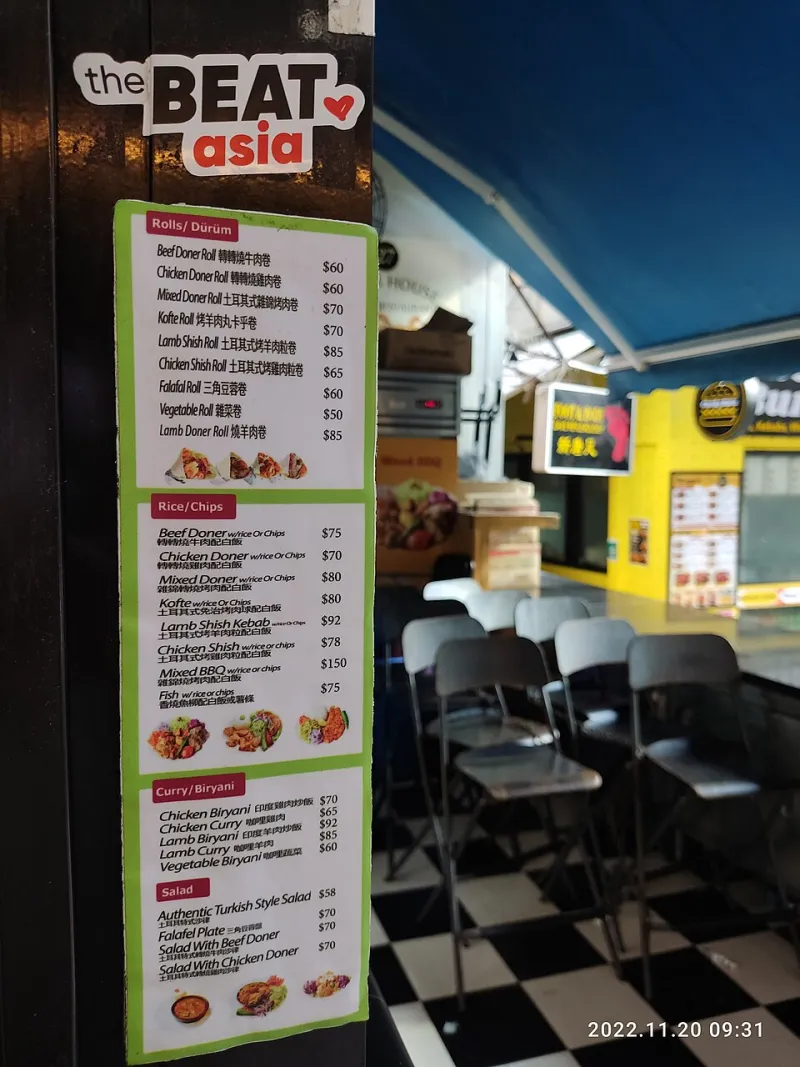
Photo: KUamE LEI Ma, CC BY-SA 4.0, via Wikimedia Commons
You are standing under a bright menu board, stomach rumbling, and the words start blurring into one long line of doner, shish, mixed, special, house, large, regular, with chips, with rice, with everything. It should be simple. It is, mostly. But kebab shop language has grown up locally, shop by shop, and the same word can mean slightly different things depending on where you are standing. So here is a plain-English guide to the core order types, plus a few shortcuts that make the whole thing feel less like a test.
Doner is the baseline
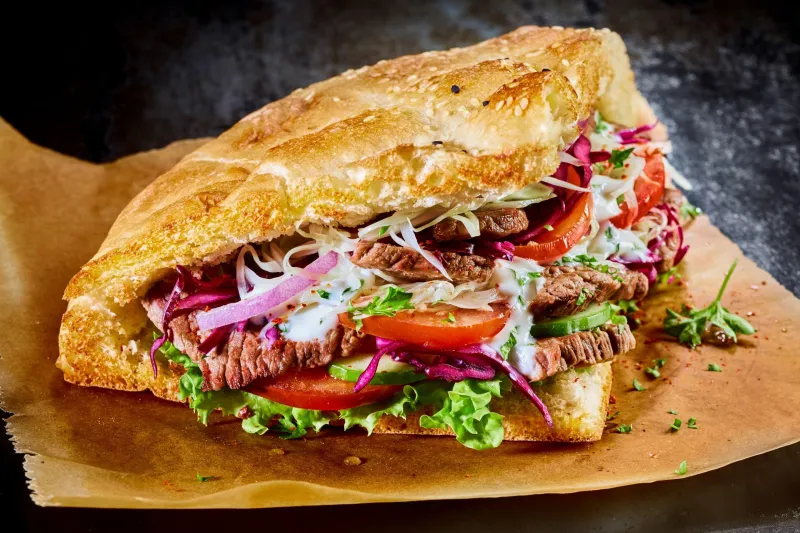
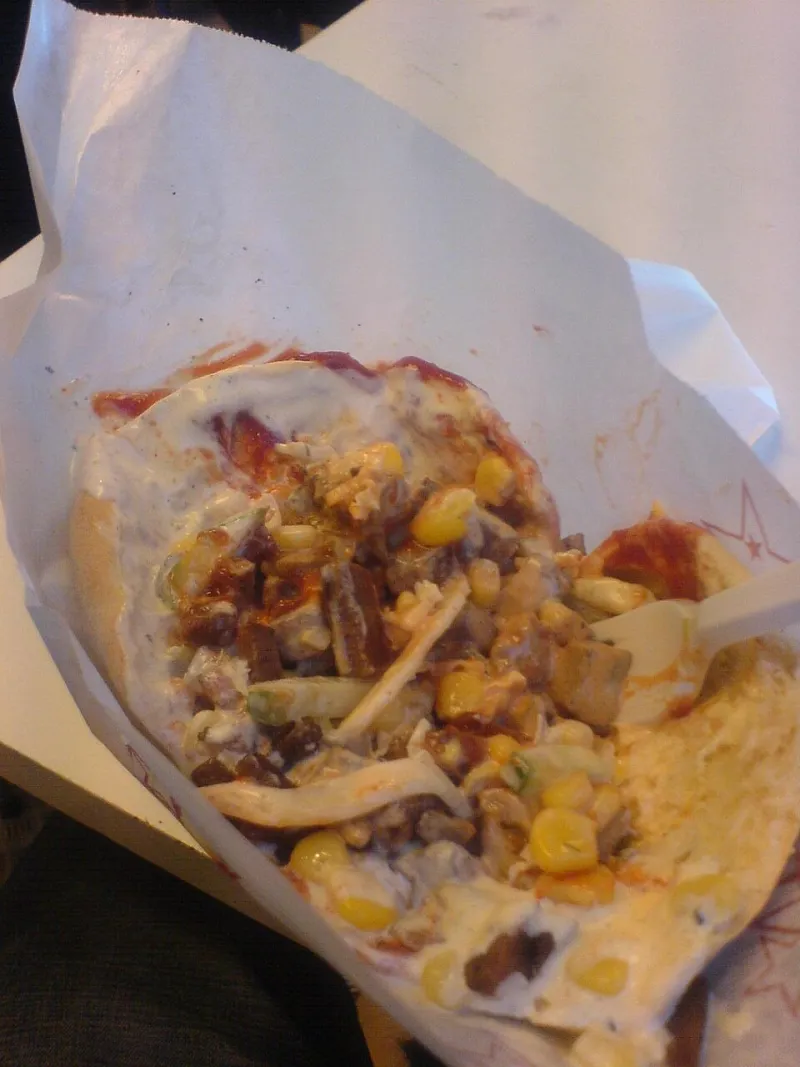
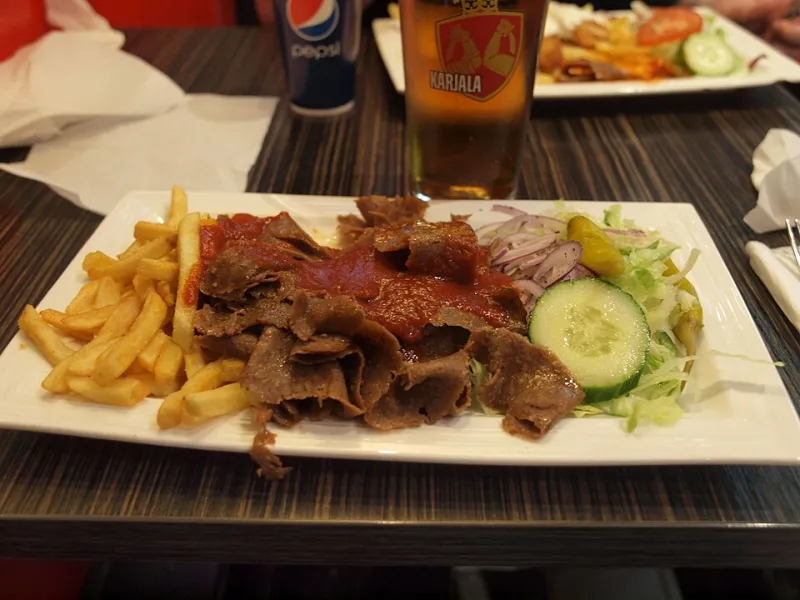
Doner is the sliced meat you see turning on the spit. In the UK it is usually lamb, chicken, or a mix, and it is the heart of the classic late-night order. It is quick, savoury, and built for wrapping. If a menu says doner wrap, doner in pitta, or doner meat and chips, you know the general shape of what is coming. The variables are the bread, the salad, the sauce, and whether chips are inside, beside, or nowhere near it.
For a first-timer, doner is the safe starting point. It is the least complicated thing on the board. Ask for sauce on the side if you are unsure how hot the chilli is, and ask whether salad comes included if the menu is not clear. Those two questions save a lot of surprise.
Shish means skewered, not shredded
Shish is chunks of meat cooked on a skewer, usually chicken or lamb. It is less about the pile-it-high energy of doner and more about char, bite, and proper pieces of meat. Chicken shish tends to be the milder, crowd-pleasing option. Lamb shish is deeper and richer. Some shops offer both, and some will let you mix the two on one order.
A regular shortcut is to ask for shish with rice instead of bread if you want something that feels more like a meal and less like a handful. It is also worth checking whether the shish comes with pitta or a wrap by default. Menus in 2026 are better at spelling this out than they used to be, but not every board is a work of literature.
Mixed is the best-of-both compromise
Mixed usually means doner plus shish, or chicken plus lamb, depending on the shop. It is the order for people who cannot decide and do not want to commit. In many places, mixed is the sweet spot: you get the soft, salty hit of doner and the proper meaty bite of skewered shish in one go.
If you are ordering for two people who are pretending they are not that hungry, a mixed wrap plus a side of chips is a decent place to start. If you are ordering for one very hungry person, a mixed wrap with extra salad and a drink will usually do the job. The word mixed is fairly reliable, but it is still worth asking what is being mixed. Chicken and lamb is common. Doner and chicken shish is common. Doner and lamb shish is common. You get the idea.
'Special' and 'House' are where things get local
This is the part that trips people up. Special and house are not standard legal terms. They are shop language. In some places, special means extra meat. In others, it means a bit of everything, a larger bread, a different sauce, or a combination that the shop is proud of. House can mean the house sauce, the house special, or simply the shop's default version of a dish.
At 4in1 Express Kebab, we like the idea of a menu that is clear enough to order from without a translator. But we also know that local shops have their own quirks, and that is part of the charm. The move is simple: ask. 'What is in the special?' is not a daft question. It is the question of someone who knows what they want. If you are ordering for the first time, ask what makes the house version different from the standard one. You will usually get a straight answer, and sometimes you will get a recommendation that is better than the one you had in mind.
The four core order types, decoded
Here is the short version. Doner is the sliced spit meat. Shish is the skewered chunks. Mixed is a combination, usually doner plus shish or chicken plus lamb. Special is the shop's own bigger, fancier, or more loaded version. House is similar, but it often leans on the shop's signature sauce or serving style. Everything else is detail: bread, rice, chips, salad, sauce, size, and whether you want it all in one box or neatly separated like a sensible person.
First-timer tips and regulars' shortcuts
First-timers should start with a doner or chicken shish wrap and ask for sauce on the side. Regulars can go straight for mixed with extra chilli, or shish with rice and salad. If you want more food without ordering a second main, ask for extra bread or a portion of chips to share. If you want less mess, ask for the salad and sauce separately. If you are ordering for a group, a couple of mixed wraps and a large chips will usually beat a pile of random extras.
Menus in 2026 are slowly getting clearer. More shops list allergens, spice levels, and whether a meal deal includes a drink. But the language is still local, still a bit chatty, and still built around what the shop actually sells. That is not a bad thing. It just means the best order comes from a quick question and a bit of confidence.
So next time the board looks like a riddle, remember the basics. Doner is the slice. Shish is the skewer. Mixed is the compromise. Special and house are the shop's own personality. Ask what is in it, order what you actually fancy, and do not let the word 'large' bully you into more than you can eat.