The Window Economy: Taxi Cards, Missing Cats and the Kebab Shop Noticeboard
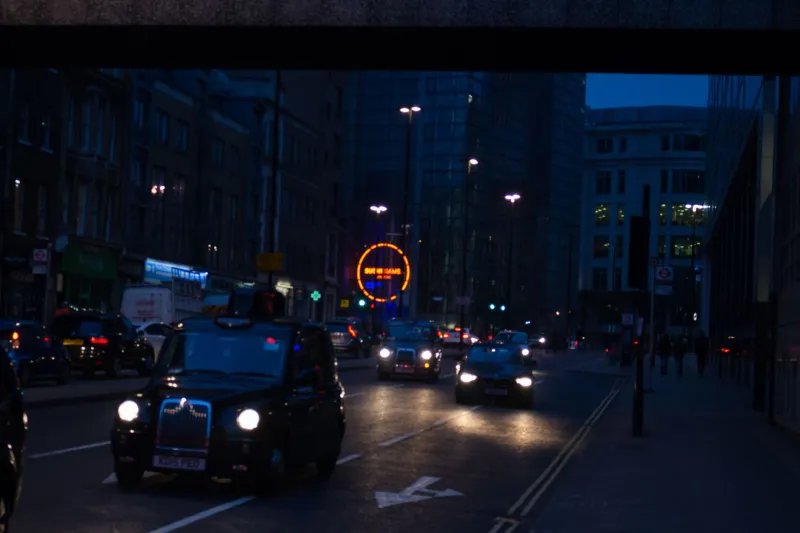
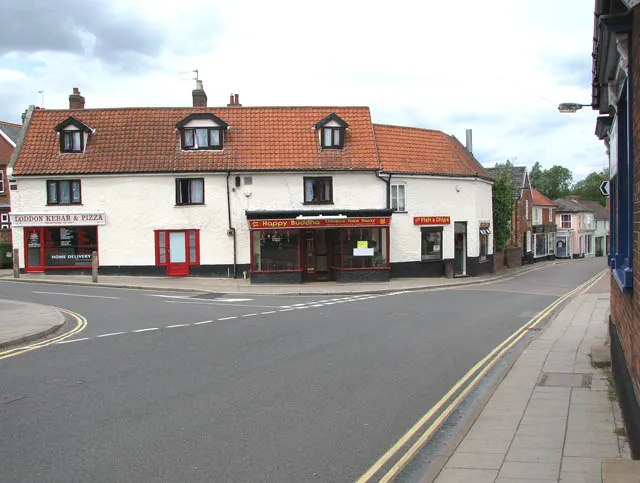
At half eleven on a Friday, most of the high street has given up. Shutters down, bins out, the bookies dark. Then you reach the kebab shop: lit up like a chip-shop lighthouse, and in the window, under the menu, is a second layer of paper. Taxi numbers. A missing cat. A five-a-side team looking for a goalkeeper. It's not décor. It's the local noticeboard, and it's been doing the job long before anyone made a Facebook group for it.
More Than a Menu: The Anatomy of a Kebab Shop Window
You know the look. A laminated menu in the middle, slightly sun-bleached at the edges. Around it, a drifted archipelago of A4 sheets, business cards and handwritten notes, held on with yellowing Sellotape and the odd blob of Blu Tack. Some of it is practical: a minicab firm promising airport runs, a card for a mobile phone repair man who works out of a unit behind the retail park. Some of it is pure neighbourhood admin: a flyer for the church hall quiz night, a council leaflet about bulky waste collections, a sticker saying no cold callers.
The best windows have layers. You can date them like tree rings. There's the fresh poster for the under-11s football team, still crisp. Behind it, a faded notice for a pub band that split up two summers ago. Down in the corner, a missing-cat poster with a photo of a ginger tom called Milo, last seen near the rec. Nobody has taken it down. That's not laziness. That's hope, or at least habit.
And then there are the kebab shop's own scraps: a card for the local taxi rank, a hand-written sign about card payments, a sticker for the food hygiene rating, a loyalty card offer that has been taped up so long it has become part of the glass.
The High Street After Dark, Told in Scraps of Paper
A kebab shop window is a useful place to read the high street because it stays open when everything else has stopped. The bus stop might be dark. The leisure centre might be shut. The library might have reduced its hours. But the kebab shop is still there, still lit, still staffed by someone who will say yes when a bloke asks if he can stick a card in the window.
That's why the notices are so specific. Taxi numbers because the last bus has gone. Five-a-side flyers because the local pitch is still hiring. Missing cats because people still walk home past the same lamp posts. Pub quiz posters because the Tuesday night crowd needs somewhere to go. None of it is curated. It's a democracy of Sellotape, and it tells you more about the area than any council leaflet ever could.
You can learn a lot from what isn't there, too. No taxi cards? Maybe the shop is on a main road with a rank outside. No football flyers? Maybe the local club has its own clubhouse. A window with nothing but a menu and a hygiene sticker feels oddly quiet, like a street that has stopped talking to itself.
Why the Kebab Shop Ends Up as the Noticeboard
It's not an accident. The kebab shop is open late, it's lit, it's on a route people actually walk, and the staff are usually too busy to mind a bit of extra paper on the glass. It's also neutral ground. You don't have to buy a pint to read the window. You don't have to be a member of anything. You can stand there at midnight, waiting for a doner, and find out that Milo is still missing and that the under-11s need a left-back.
In 2026, most of this could happen online. Some of it does. But a phone screen doesn't catch the eye of someone walking past at 11:40pm with a bag of chips. A window does. It's low-tech, slightly scruffy, and completely local. That's the point.
Reading the Window Like a Local
Next time you're waiting for a mixed grill, have a proper look. Start with the taxi cards: local firms, local numbers, often with a handwritten note about airport runs. Then the sport: five-a-side, Sunday league, darts nights, a boxing club fundraiser. Then the community stuff: quiz nights, coffee mornings, a notice about a residents' meeting that nobody under 60 will attend but everyone should. And then the oddities: a card for a chimney sweep, a poster for a lost dog, a handwritten sign about a missing wheelie bin.
You don't need to take a photo. You don't need to write it down. Just read it. It's the high street's own news feed, updated by whoever has a spare bit of paper and a reason to stick it up.
Order the Kebab, Read the Room
A good kebab shop window does two jobs at once. It tells you the late-night special is on, and it tells you what kind of street you're standing on. The scruffier the window, the more likely it is that the shop is a hub, not just a counter. So next time you're in for a doner, a shish or a box of chips, take a second before you order. Read the notices. You might find a plumber, a taxi, a five-a-side team, or a cat called Milo. Then order your kebab. That's the window economy, and it's still working.