Turn It Up Behind the Counter: The Noisy Little World of a Kebab Night
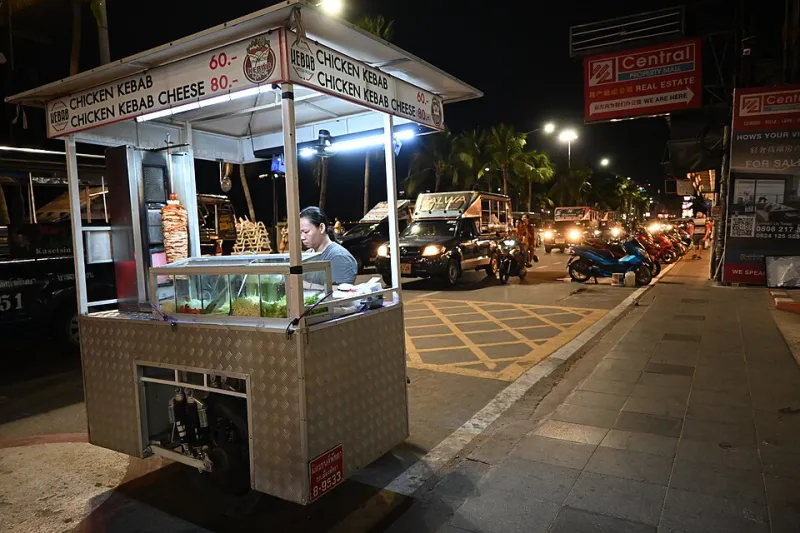
Photo: PattayaPatrol, CC BY-SA 4.0, via Wikimedia Commons
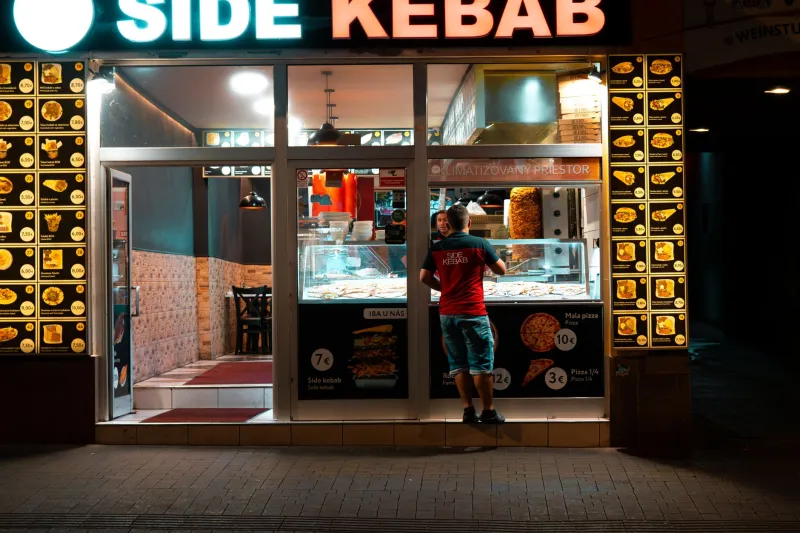
A proper kebab night doesn’t begin with the menu. It begins with a sound. Maybe it’s the door chime as you push in out of the drizzle, or the low hiss of the grill from the back, or a radio tucked behind the counter playing a song you haven’t heard in years. Before the first chip is salted, the shop has already told you something: you’re in the right place.
In 2026, so much of ordering has gone quiet. Apps ping softly. Screens glow. You can track a driver down to the minute without speaking to a soul. That’s convenient, no doubt about it. But a local kebab shop still sounds like itself — noisy, warm, a bit chaotic, and all the better for it.
The Door Chime Is the Opening Chord
Every kebab shop has a door that announces people. Sometimes it’s a proper old-fashioned chime. Sometimes it’s a buzzer, a bell, or a squeak that the staff no longer hear but regulars do. That little noise is the opening chord of the whole night.
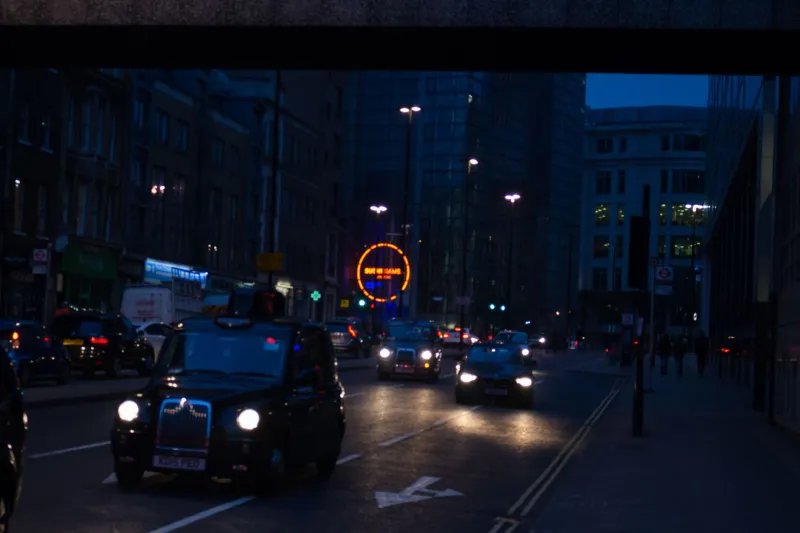
It means someone has arrived. Maybe it’s a group of mates still laughing from the pub. Maybe it’s a taxi driver grabbing a quick wrap before the next fare. Maybe it’s a parent in a raincoat, ordered to bring home “the usual” and a portion of chips. The chime doesn’t care who you are. It just says: come in, you’re here now.
And when the chime goes again ten minutes later, and then again, you can hear the night filling up. That’s not just footfall. That’s the sound of a high street still breathing after dark.
The Radio Behind the Counter
There is a special kind of radio that lives behind a takeaway counter. It’s usually small, usually dusty, usually set to a station that nobody would admit to choosing. It might be a local commercial station, a football phone-in, a pop playlist, or something that jumps from a cheesy ad to a song that suddenly makes the whole queue go quiet.
That radio is part of the furniture. It fills the gaps between orders. It gives the staff something to talk about when the grill is quiet. It gives customers something to listen to while they decide whether they’re having garlic sauce or chilli sauce — or, let’s be honest, both.
On a good night, the radio and the shop blur together. A song comes on, someone hums along, a staff member says they can’t stand it, someone else says it’s a classic. Nobody is curating a mood. They’re just getting on with it. That’s the charm. A kebab shop doesn’t need an algorithm-built playlist. It needs a radio, a hot grill, and people who know what they’re doing.
Sizzle, Scrape, Shake
Then there’s the food itself — and the food is loud. The doner turns and crackles. The grill hisses when a shish goes on. Tongs clack against metal. A knife scrapes the board. Chips drop into the fryer with that sharp, promising sizzle. Someone shakes the basket. Someone else tears a sheet of paper from the roll.
These are not background noises. They are the sounds of your order being made. They build the appetite. You hear the scrape of the blade and you know the meat is being carved fresh. You hear the fryer and you can almost taste the chips before they’ve hit the paper. You hear the sauce bottle squeak and you start hoping they’re being generous.
It’s the same reason a good toastie sounds better when it’s being pressed, or a bag of chips sounds better when it’s being shaken with salt. Sound gets the stomach involved. A silent kitchen might be efficient, but a noisy one feels like dinner.
Staff Banter and the Language of the Counter
Listen closely and you’ll hear the shop’s own dialect. “Salt and vinegar?” “All salad?” “Garlic or chilli?” “Wrap or box?” “Anything else, boss?” It’s a shorthand that gets the job done, but it’s also a welcome. Regulars know the rhythm. Newcomers learn it quickly.
Then there’s the banter. The jokes that fly over the counter. The staff member telling a customer they’re ordering the same thing as last week. The debate about football, weather, or whether pineapple has any business near a kebab. It’s not staged. It’s the sound of people working together in a small, hot space and still managing to have a laugh.
That banter matters. It’s what separates a counter from a conveyor belt. You can order on an app and get exactly what you asked for, but you can’t get the little moment where someone says, “Go on, try the mixed — you won’t regret it.” That’s local flavour, and you can hear it.
The Late-Night Queue Hum
As the night goes on, the sound changes. The early-evening rush has its own clatter — families, dog walkers, people just off the bus. The late-night queue sounds different. It’s lower. It hums. Conversations are quieter, or funnier, or both. Someone outside is waiting in a taxi with the engine running. Someone inside is trying to remember what their mate asked for.
A queue can tell you a lot about a shop. A good one doesn’t feel tense. It feels like a small, temporary club. People stand shoulder to shoulder, not saying much, all waiting for the same thing: hot food, wrapped up, ready to go. The hum of that queue is one of the most reassuring sounds on a British high street after 11pm.
Why the Soundtrack Still Matters in 2026
We live in a world of silent notifications and contactless payments. That’s fine. But there’s still something grounding about walking into a shop and hearing the grill, the radio, the chime, the chat. It tells you this is a real place, run by real people, making food right now.
At 4in1 Express Kebab, that’s the kind of night we like: hot kebabs, late nights, proper local flavour. Not too polished. Not too quiet. Just the sound of a takeaway doing what it does best.
So next time you’re waiting for your order, have a listen. Is it the radio ad you’ve heard a thousand times? The beep of the card machine? The first crackle of a chip hitting the paper? Whatever it is, that’s your kebab night soundtrack. And honestly, it’s a better tune than any playlist.